
If you own a fireplace you should be keenly aware of the risk of having a chimney fire. Chimney fires can be extremely dangerous and very frightening. The chimney creates an atmosphere for the flames of a fire to become explosive and unpredictable, these two elements create danger for the safety of your family and your home.
As wood burns in your stove or fireplace, the byproducts (smoke, carbon monoxide, etc.) stick to the inside of the chimney and create a film referred to as creosote. This film is very flammable, hence the danger of chimney fires. This article discusses how to reduce your risk of experiencing a chimney fire and how to put it out if one happens to occur.
Here are five things you can easily do to reduce your risk of a chimney fire:
If, by chance, a chimney fire does start follow the basics of putting out a fire. First, evaluate the danger of the fire. Call 911 for backup from the fire department and then evacuate your family. Keep a fire extinguisher on hand to use just in case. Use buckets or hoses to try and limit the flames from spreading.
Remember that it is a lot more cost effective and simple to practice preventative methods than it is to fix fire damage and finance repairs.
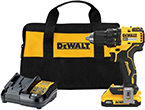
Cordless, Compact, and Powerful! DeWalt's 20-volt drill-driver kit packs a big punch in a small package, with a powerful high-performance motor tucked away inside a compact design. A great addition to the tool chest of any professional or DIYer! Check out DeWalt 20-Volt Drill/Driver Kit today!
It is fairly easy to install a smoke detector, and most local fire codes mandate that you have smoke detectors working ...
Discover MoreMold is a nasty and dirty natural growth that can be found almost anywhere. If you would like to make sure that your home ...
Discover MoreFire alarms are a necessary and essential element for a safe home. But what do you do when these vital safety devices ...
Discover MoreThere are currently no comments for this tip. (Be the first to leave your comment—just use the simple form above!)
Copyright © 2026 Sharon Parq Associates, Inc.
Comments